Why Did Honda Change the Civic Design Over Generations?
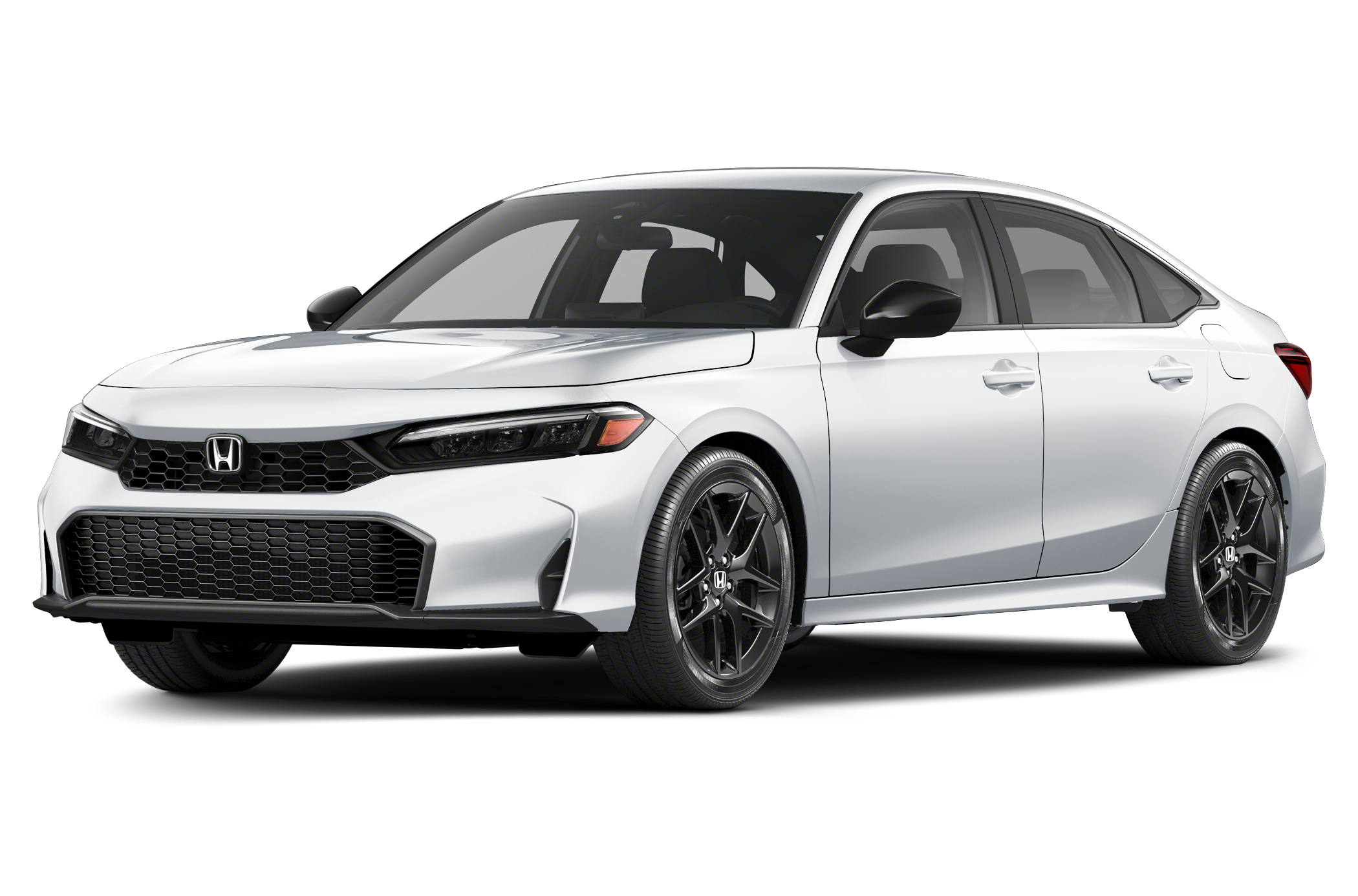
The Honda Civic has long been a symbol of reliability, innovation, and efficiency. Since its debut in 1972, the Civic has evolved dramatically. Each new version not only reflected the technological advancements of its time but also responded to shifting consumer expectations and regulatory requirements. Understanding Honda Civic generations provides a clear view of how design philosophy, market trends, and performance goals influenced the transformation of this iconic vehicle.
Responding to Market Demands
One of the most significant reasons behind the change in Civic design over the generations has been the need to adapt to changing market preferences. In its early years, the Civic was designed as a compact, fuel-efficient car ideal for urban drivers. However, as consumer tastes evolved—favoring larger interiors, improved comfort, and more aggressive styling—Honda Civic generations adapted accordingly.
For example, the sixth and seventh generations began to offer a more rounded, mature look to appeal to a broader audience. By the time the eighth and ninth generations arrived, sportier and more aerodynamic lines became prominent, targeting younger drivers who valued both appearance and performance.
Embracing Technological Advancements
As automotive technology advanced, so did the capabilities and designs of the Civic. Innovations in safety, efficiency, and infotainment systems necessitated changes to the car’s platform and design. Honda Civic generations evolved to include advanced features like anti-lock braking systems, advanced airbag deployment, digital instrument clusters, and touchscreen controls.
These upgrades often required larger dashboards, re-engineered crumple zones, and increased vehicle dimensions. The more recent generations, such as the tenth and eleventh, reflect the integration of modern design elements like LED lighting, driver-assist technologies, and hybrid powertrains, all of which require thoughtful design changes.
Meeting Regulatory Standards
Global emissions and safety regulations have had a significant impact on the Civic's evolution. Over the years, Honda Civic generations had to comply with stricter fuel economy and crash safety standards. To meet these requirements, Honda made changes in the car’s chassis design, used lighter yet stronger materials, and incorporated new aerodynamic elements.
These necessary design shifts ensured that the Civic not only stayed compliant but also remained competitive in the global market, often setting the benchmark for compact cars.
Competitive Edge and Brand Identity
The compact car segment is highly competitive, and Honda has consistently used design to differentiate the Civic from its rivals. Bold redesigns—like the aggressive fastback styling of the tenth generation—helped establish a strong brand identity and reinvigorate interest in the model. Each new generation strives to offer something new while maintaining the Civic’s core values of practicality and affordability.
This balancing act of innovation and tradition is a key reason why the Honda Civic generations continue to attract new buyers while retaining a loyal customer base.
Conclusion
In essence, the transformation of the Honda Civic generations reflects Honda’s commitment to innovation, safety, and customer satisfaction. Design changes were not made arbitrarily but were calculated moves to ensure the Civic remained a leader in its class. From fuel-efficient compact to a sporty and tech-savvy sedan, each generation marks a new chapter in the Civic’s ongoing legacy.
Comments