Smart Cranes and IoT: Is the Crane Rental Industry Ready for AI?
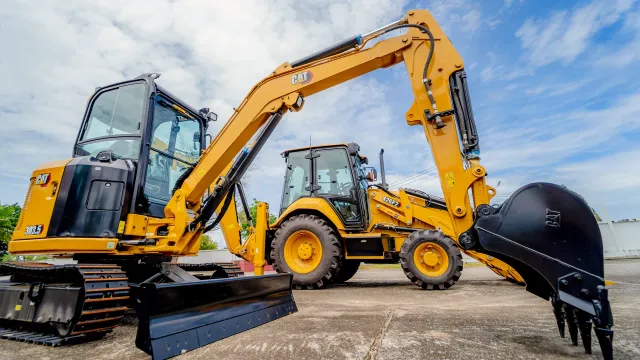
The rental crane sector is about to experience major changes through digital technology. Smart technologies and Internet of Things changes what was a basic mechanical business into an industry that uses precise data control. AI and IoT technology now changes both crane work sites and business operations in rental services. The crane rental sector gains a clear advantage when it adopts intelligent systems as more industries work toward automated infrastructure.
What Are Smart Cranes?
Smart cranes exist today as real operational systems. These machines include sensors, cameras, and GPS navigation, plus a cloud-based system that allows live information tracking. The system delivers valuable information to operators who can use it to manage weight limits, steering directions, and lifting paths efficiently. Most control relied solely on the operator's personal expertise earlier. Digital equipment supports cranes in handling advanced tasks, resulting in fewer errors and giving operators greater trust in their work. These cyber tools help projects reach set dates and earn higher safety scores, which boosts general project success.
IoT Boosts Performance
Through the Internet of Things, cranes can exchange information with other equipment and send building information models plus environmental readings. Site managers use one control panel to monitor and manage all machines while they view current working results through the system. The Internet of Things makes smart cranes monitor and predict system problems early to prevent high-cost damage. The ability to anticipate issues ahead of time through IoT technology lets businesses keep their rental units online longer and generates better returns on their investments. The better a job site connects its elements, the better teams work together to reach their goals.
AI Improves Safety
Artificial Intelligence helps crane operations reach their highest possible level of performance. AI systems review all job site factors to suggest the best lifting approaches. The system finds threats and creates lift paths while testing operation sequences before actual work begins. Scientists have applied these systems to modern building projects across the globe. By providing advanced services, crane rental firms now reduce risks to assets and people while making work zones safer for operators and customers. The system knows how to help operators reach better results, which reduces mistakes created by human operators.
Data-Driven Rentals
The crane rental industry now needs data as its primary tool because of AI and IoT technology. Data now serves as the main element in strategic planning by showing how often equipment gets used and what market trends happen during different times of the year. Companies use analytics to arrange their fleet vehicles better and monitor fuel use, besides scheduling efficient maintenance. Today, rental platforms show customers digital records that show equipment history details, proof of certification, and performance results. The clear view of equipment records through digital systems helps contractors and rental providers trust each other for extended partnerships. Fleet managers can react fast to market changes and transform business strategies because of data gained from their operations.
Upskilling Operators
Technology changes require people in charge of crane operations to adapt their skills. Workers who use AI and IoT systems need special training that combines their basic mechanical expertise with digital control abilities. The new role of crane operators involves learning how to use data displays together with monitoring sensor signals and working with self-driving crane systems. Upgrading employee skills demands financial support for their professional growth. Major heavy equipment rental businesses now use digital teaching materials and simulators as part of their employee training program. People who adapt to this development will enhance their ability to serve the construction field in the future. Firms that teach employees new skills continuously can attract and keep the best employees to build sustainable market advantages.
Overcoming Tech Barriers
Despite all the benefits AI and IoT offer, crane rental services also present difficult problems to solve. Basic operators and small rental firms face several barriers because AI and IoT systems require expensive start-up investment plus special data security management, plus steady internet service. Experienced crane operators who oppose change create adoption delays. As technology improvements make systems easier to use and cheaper to obtain, these problems are expected to fade. Technology companies working with rental companies will build user-friendly tools that meet actual field work requirements. Starting to solve these issues sooner will help hardware rental services move more easily and earn better returns tomorrow.
Overview
The crane rental business will take an intelligent direction in the future. Rental companies hold a special advantage in transforming how construction equipment services operate through IoT and AI technology. Using this technology brings two major benefits to operations and creates safer, more dependable services while better serving customers. Cranes that gain additional intelligence require businesses that use them to develop new management methods to match. Organizations that use smart crane technology today both prepare for tomorrow and build their path. Companies ahead of this change will establish market dominance while replacing outdated quality standards.
Comments