Internal sliding doors have become increasingly popular in modern interiors due to their sleek design, practicality, and ability to maximize space. As homes and offices become smaller and the demand for functionality rises, these doors offer an efficient solution. In this article, we will explore the benefits, types, installation process, and practical applications of internal sliding doors.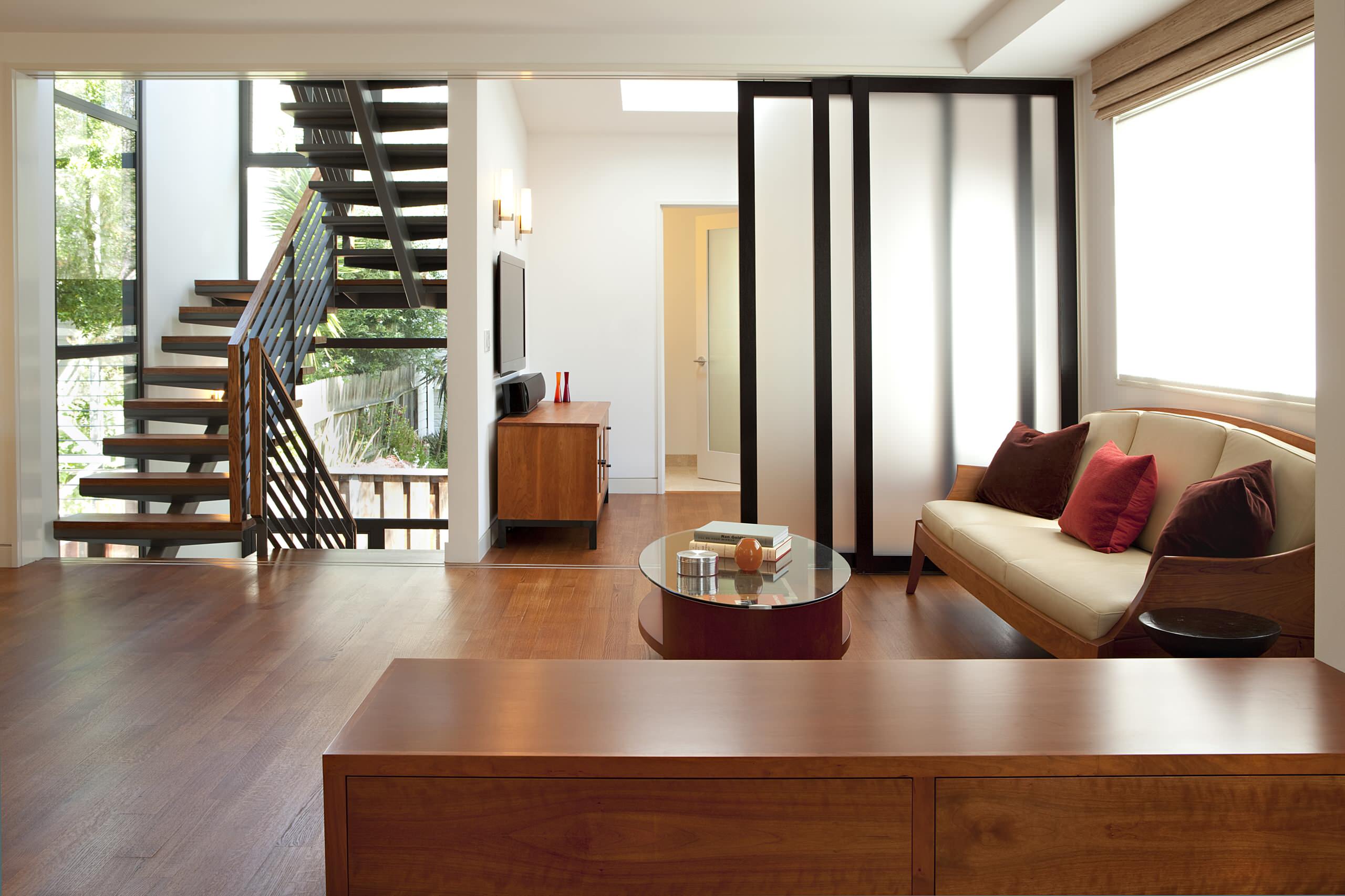
What Are Internal Sliding Doors?
Internal sliding doors are doors that open by sliding horizontally along a track, as opposed to traditional hinged doors that swing open. These doors can be used to separate different areas in a home or office, such as bedrooms, bathrooms, living rooms, and closets, while saving valuable floor space.
Benefits of Internal Sliding Doors
1. Space-Saving Efficiency
One of the main advantages of internal sliding doors is their ability to save space. Unlike traditional hinged doors, which require additional space to swing open, sliding doors move along a track and take up much less room. This makes them ideal for smaller spaces where every inch of floor space counts.
For example, in a small apartment, internal sliding doors can be used to separate a living area from a kitchen, without the door swinging into the room and reducing the usable space. This allows the space to feel larger and more open while still maintaining a sense of privacy.
2. Aesthetic Appeal
Internal sliding doors come in various styles, materials, and finishes, offering a contemporary and stylish look. Whether you prefer a sleek, minimalist design or a more rustic aesthetic, there is a sliding door option to suit any interior. Glass sliding doors can create a modern, open feel, while wooden doors provide a warm, cozy atmosphere.
With the ability to customize the design, internal sliding doors are not just functional but also a stylish addition to your home or office. They can be tailored to match your interior theme, whether it's industrial, traditional, or contemporary.
3. Increased Accessibility
Internal sliding doors can make spaces more accessible, especially in situations where mobility may be an issue. For example, sliding doors are easier to operate for individuals with disabilities, as they don’t require the strength or dexterity needed to push or pull a traditional hinged door. The smooth sliding mechanism also makes them a more convenient choice for elderly people or those with physical limitations.
4. Enhanced Natural Light Flow
One of the great advantages of internal sliding doors is their ability to allow more natural light to flow between rooms. This is especially true for sliding glass doors, which can open up spaces and let in light without compromising privacy. By incorporating sliding doors, you can maintain an open feel while still keeping distinct areas within your home.
This benefit is particularly useful in areas such as kitchens and living rooms, where natural light is often a key component in creating a welcoming and energizing environment.
5. Noise Reduction
When you opt for internal sliding doors made of solid materials like wood or composite, they can help reduce noise between rooms. This is particularly advantageous in homes with multiple family members or offices with open workspaces. The door can act as a barrier, limiting sound travel between rooms, which ensures a quieter and more peaceful atmosphere.
Types of Internal Sliding Doors
1. Single Sliding Doors
Single sliding doors are the most common type of internal sliding doors. They consist of one door panel that slides horizontally along a track. These are perfect for smaller spaces, such as closets, bathrooms, or utility rooms.
2. Bi-Fold Sliding Doors
Bi-fold sliding doors have two door panels that fold in half and slide along a track. These are commonly used for larger openings, such as leading from a living room to a balcony or patio. The bi-fold system allows for a wider opening, providing better flow between rooms and access to outdoor spaces.
3. Pocket Doors
Pocket doors are a type of internal sliding door that disappears into the wall when opened. This allows for a completely unobstructed opening when the door is slid into the pocket. Pocket doors are ideal for tight spaces where every inch of usable space counts, such as in small apartments or offices with limited room.
4. Barn Doors
Barn doors have a rustic charm and can be a great addition to a variety of interior design themes. These sliding doors are mounted on a track system above the door frame, and they open horizontally to create an authentic barn-style look. Barn doors can be used as both internal sliding doors and for more decorative purposes.
5. Glass Sliding Doors
Glass internal sliding doors are a modern option that offers a clear view between rooms while maintaining the functionality of a door. These are great for separating spaces without making the room feel closed off. Glass sliding doors can be frosted, clear, or patterned to provide varying levels of privacy.
Installation of Internal Sliding Doors
1. Measuring the Space
Before installing internal sliding doors, it's essential to measure the space carefully to ensure the door will fit. The height and width of the opening should be measured, and the track system must be installed correctly to accommodate the size of the door.
2. Choosing the Right Track System
There are several types of track systems for internal sliding doors, including top-mounted, bottom-mounted, and side-mounted tracks. The choice of track depends on factors such as the door's weight and the design of the door frame.
3. Professional Installation
While DIY enthusiasts can install internal sliding doors, it’s often recommended to hire a professional installer, especially if the installation involves complex mechanisms such as pocket doors. A professional can ensure that the door is installed securely and functions smoothly.
Practical Applications of Internal Sliding Doors
1. Creating Separate Zones
Internal sliding doors are ideal for creating separate zones in an open-plan living area. They allow you to divide spaces when needed and open them up again to create a more expansive feel. This is particularly useful in homes where flexibility in the layout is essential.
2. Enhancing Privacy
Internal sliding doors offer an effective solution for increasing privacy in shared spaces. For example, in shared bedrooms or bathrooms, these doors provide an easy way to separate different areas, ensuring a level of privacy without sacrificing space.
3. Concealing Storage
Sliding doors are often used to conceal closets, pantries, or laundry rooms. This is particularly popular in modern homes where open shelving and minimalist designs are trending. Sliding doors can hide cluttered areas, keeping them out of sight while still offering easy access.
Conclusion
Internal sliding doors are an excellent solution for modern interiors, offering an efficient, stylish, and practical way to manage space. Their ability to save floor space, improve accessibility, enhance natural light flow, and reduce noise makes them an ideal choice for a wide range of applications in both residential and commercial settings. By choosing the right type of internal sliding doors, homeowners and business owners can create more functional, beautiful, and efficient spaces.
As the demand for space-saving solutions continues to grow, internal sliding doors will remain an essential element in interior design, providing smart space solutions that balance aesthetics and functionality. Whether you’re renovating an existing space or building a new home, consider incorporating internal sliding doors for a versatile and modern addition that enhances the overall flow of your interior.
Comments